What Lifestyle Changes Can Help Prevent Cancer?
Could altering our daily routines hold the key to combating cancer? Research shows that lifestyle choices account for more than a third of all cancer cases. Adjusting some of these choices can significantly reduce the risk of developing cancer, presenting a powerful opportunity for prevention.
Historically, lifestyle changes such as adopting a balanced diet, regular physical activity, and abstaining from tobacco have been cornerstones of cancer prevention strategies. For instance, the World Health Organization highlights that approximately 4 million cancer deaths annually could be prevented with these modifications. Integrating such habits into daily life remains a crucial preventive measure.
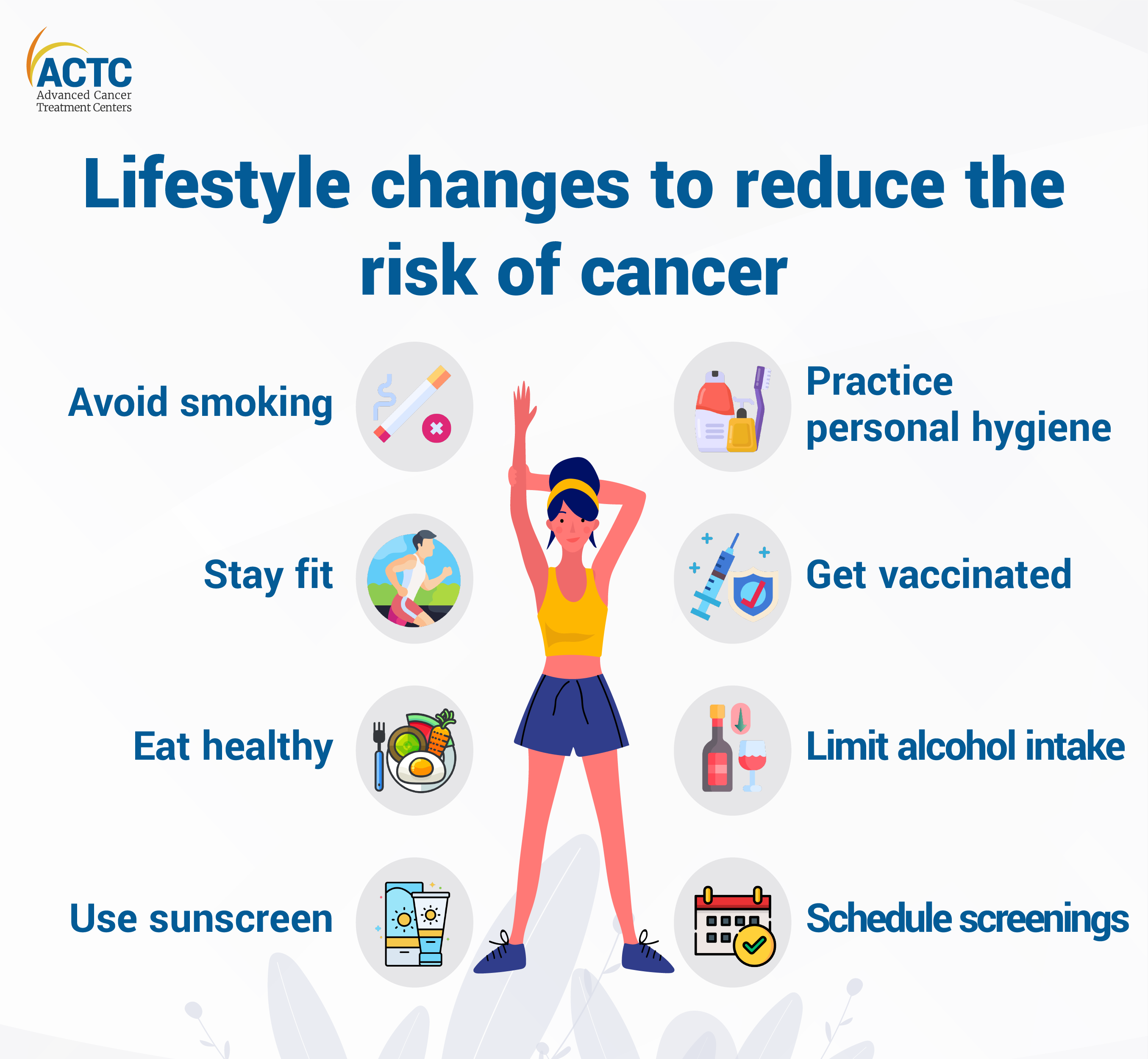
What Lifestyle Changes Can Help Prevent Cancer?
Adopting a balanced diet is an essential step in preventing cancer. Eating plenty of fruits, vegetables, and whole grains can provide the body with vital nutrients. These foods contain antioxidants, which help fight harmful substances called free radicals. Additionally, limiting processed and red meats can make a difference in reducing cancer risk. Focusing on portion control and reducing sugar intake also contribute to maintaining a healthy lifestyle.
Regular physical activity is another key factor. Exercising for just 30 minutes a day can help manage weight, which is linked to lower cancer risk. It doesn’t have to be intense; even moderate activities like walking or cycling are beneficial. Staying active helps boost the immune system. It also reduces the levels of certain hormones that are related to cancer development.
Avoiding tobacco is crucial in reducing cancer risks. Smoking and tobacco use are major causes of cancer-related deaths. They are linked not only to lung cancer but also to cancers of the mouth, throat, and more. However, quitting smoking can substantially lower these risks. Support from health professionals or counseling can aid in this challenging process.
Limiting alcohol consumption also plays a role in cancer prevention. High alcohol intake is linked to various cancers, including liver and breast cancer. It’s advisable to limit alcohol to no more than one drink per day for women and two for men. Making these changes can impact overall health in positive ways. These lifestyle adjustments form a comprehensive strategy for cancer prevention.
Importance of Nutrition in Cancer Prevention
Nutrition plays a vital role in reducing the risk of cancer. Consuming a wide variety of fruits and vegetables can provide essential vitamins and minerals. These nutrients help keep the body’s cells healthy and functioning properly. Antioxidants found in many plant-based foods fight against cell damage. This can lessen the chances of cancerous growths developing.
Whole grains and legumes offer fiber, which aids digestion and maintains a healthy weight. They help control hunger, preventing overeating. Maintaining a healthy weight is important in cancer prevention. Obesity is linked to higher risks of certain types of cancer. Choosing whole grains over refined grains can make a big impact.
It’s also wise to limit processed foods and red meat consumption. Processed meats, like sausages and bacon, contain harmful additives. These additives can increase cancer risks over time. Reducing salt and saturated fat intake is beneficial too. Making these dietary changes can support overall health and lower cancer risks.
Choosing healthy beverages is part of nutritional cancer prevention too. Drinking water rather than sugary drinks helps reduce calorie intake. Green tea, rich in antioxidants, is also a good choice. Alcohol should be consumed in moderation to minimize its associated cancer risks. These daily nutritional choices build a strong foundation for a healthy life.
The Role of Exercise in Reducing Cancer Risk
Regular exercise is crucial in lowering the risk of cancer. Engaging in physical activity keeps the body fit and boosts the immune system. An active lifestyle helps control weight, reducing the risk of various cancers. It also balances hormones, which can be an important factor in cancer prevention. Just 30 minutes of exercise daily can make a significant difference.
Different types of exercises have unique benefits. Aerobic activities like jogging, swimming, or cycling elevate heart rate and promote heart health. Strength training with weights or resistance bands builds muscle, adding to overall health benefits. Flexibility exercises such as yoga can also improve balance and reduce stress levels. A mix of these activities makes for a comprehensive workout routine.
Exercise doesn’t have to be intense to be effective. Simple activities like brisk walking, dancing, or gardening count too. Engaging in regular physical movement helps in maintaining a healthy lifestyle. It’s also a great way to relieve stress and promote mental well-being. Consistency in exercise brings the best results.
Social aspects of exercise can enhance its benefits. Playing sports with friends or joining a fitness class makes exercise fun. It provides motivation and a sense of community. Group activities encourage regular participation, leading to healthier habits over time. Exercise is not only beneficial for the body but enjoyable too.
Impact of Smoking and Drinking Habits
Smoking and drinking have a significant impact on cancer risk. Smoking is a leading cause of lung cancer and contributes to many other types, including throat and mouth cancers. The harmful chemicals in tobacco damage DNA, leading to cancer development. Quitting smoking can drastically reduce these risks over time. Support from healthcare providers or programs can aid in quitting.
Alcohol consumption can also increase cancer risk. It is linked to liver, breast, and colorectal cancers among others. Alcohol can damage the lining of cells in the body, making them more susceptible to cancer. Moderation is key to minimizing these risks. Limiting alcohol to no more than a few drinks per week can help reduce potential harm.
The combination of smoking and drinking is especially harmful. Together, they can compound the effects on cancer risk. For instance, alcohol can act as a solvent, making it easier for tobacco carcinogens to enter cells. Avoiding both habits brings the most health benefits. It significantly lowers the likelihood of developing related cancers.
Changes in these habits have long-term health benefits. Reducing or quitting smoking and drinking improves overall health and increases life expectancy. Making these lifestyle changes can lead to better health outcomes. Engaging in healthier habits offers a proactive approach to cancer prevention. Embracing this change contributes to a healthier life.
Healthier alternatives are available to replace these habits. Finding new hobbies, such as sports or arts, can serve as fulfilling replacements. Many people find relaxation in activities like meditation or yoga. These options promote wellness without negative side effects. Exploring such alternatives supports a positive lifestyle shift.
The Science behind Cancer Prevention and Lifestyle Modifications
Cancer prevention through lifestyle changes is backed by scientific research. Studies show that a healthy diet and regular exercise can lower cancer risk. These habits help maintain a strong immune system, which plays a critical role in preventing cancer. A balanced diet supplies essential nutrients, which support good health. Exercise further boosts these effects by regulating body systems.
The body can naturally fight off cancerous cells thanks to its immune defense mechanisms. Nutrition-rich foods provide antioxidants, which combat harmful substances in the body. Fresh fruits, vegetables, and whole grains are excellent sources of these nutrients. They help in repairing cell damage and maintaining cellular health. This repair process reduces the chances of cancer cells developing.
Lifestyle habits, such as not smoking and limiting alcohol, work together to decrease cancer risk. Smoking introduces carcinogens that damage the DNA in cells. Avoiding it prevents further harm, allowing the body to heal. Alcohol consumption alters cell structure, making it easier for cancers to develop. Moderation in alcohol intake keeps its negative effects at bay.
Environmental factors also play a role in cancer prevention. Avoiding exposure to harmful chemicals in the home and workplace is essential. Wear protective gear if necessary to reduce risks. Additionally, regular medical check-ups catch any early signs of potential problems. This proactive approach helps maintain one’s well-being.
These lifestyle improvements are achievable and can lead to a healthier future. Small changes over time build towards significant health benefits. People can incorporate these practices into daily routines. This empowers individuals to take control of their health. The science supporting these changes encourages such proactive health measures.
Case Studies and Success Stories in Cancer Prevention
Real-life success stories highlight the impact of lifestyle changes in preventing cancer. One notable case involved a group of individuals who adopted a plant-based diet and engaged in daily physical activity. Over time, their health improved drastically, and they reported fewer instances of illness. These changes significantly lowered their cancer risk factors. The transformation inspired others to follow suit, creating a ripple effect in the community.
Another inspiring story comes from a smoking cessation program. Participants who quit smoking experienced significant health benefits within months. Improved lung function and increased energy levels were common outcomes. Many reported feeling more empowered and in control of their health. Their success encouraged further tobacco cessation efforts, promoting healthier lifestyles.
A workplace wellness program demonstrated successful cancer prevention through exercise and nutrition. Employees participated in regular fitness classes and attended nutrition seminars. The program led to reduced health issues and higher productivity levels. Workers felt more energized and motivated. The company’s proactive approach fostered a culture of health and well-being.
There have also been community-based prevention programs focusing on education and awareness. Workshops taught locals about the benefits of balanced diets and regular exercise. Participants learned practical ways to integrate healthier choices into their daily lives. As a result, many experienced positive lifestyle changes. The sharing of these stories encouraged more community engagement.
Such case studies emphasize the power of lifestyle modifications in preventing cancer. They show how small changes can have huge impacts. These real-life examples serve as motivation for individuals aiming to improve their health. Embracing these practices can lead to longer, healthier lives. The success stories highlight the benefits of proactive health management.
Frequently Asked Questions
Making lifestyle changes can significantly impact cancer prevention. Understanding these changes and their benefits is crucial for taking proactive steps towards better health. Here we tackle some common questions related to lifestyle changes and cancer risk.
1. How does diet influence cancer risk?
A nutritious diet can play a significant role in reducing cancer risk. Foods rich in antioxidants, such as fruits and vegetables, help protect cells from damage that could lead to cancer. Whole grains and lean proteins further support a healthy system, promoting overall well-being.
Conversely, consuming processed and red meats has been linked to higher cancer risks. By adopting a balanced diet focused on plant-based foods, individuals can reduce the likelihood of developing cancer and improve their overall health. These healthy choices support a robust immune system, creating a vital defense against cancer.
2. Is physical activity important in cancer prevention?
Engaging in regular physical activity is crucial for cancer prevention. Exercise helps maintain a healthy weight, reducing the risk associated with obesity-related cancers. Moreover, it boosts the immune system and regulates hormones that could influence cancer development.
Physical activities can range from brisk walking to more vigorous exercises like running or cycling. By incorporating regular exercise into daily routines, individuals enhance their health resilience, fostering longer, healthier lives. This simple yet powerful habit offers immense benefits in cancer prevention.
3. What role does smoking cessation play in reducing cancer risk?
Quitting smoking is one of the most impactful steps in reducing cancer risk. Tobacco smoke contains carcinogens that damage DNA and initiate cancer growth. By stopping smoking, the body begins to repair itself, significantly diminishing the risk of many cancers like lung and throat cancer.
It’s never too late to quit smoking, and doing so improves long-term health outcomes. Support systems and cessation aids can help in this transition, making the journey to quitting more manageable and effective. This crucial lifestyle change greatly enhances one’s health outlook.
4. Can reducing alcohol consumption help prevent cancer?
Limiting alcohol intake is a proactive measure in cancer prevention. Alcohol can alter cell structures, increasing vulnerability to various cancers, including liver and breast cancer. By minimizing alcohol consumption, individuals reduce these associated risks.
Moderation is essential; adhering to recommended guidelines can mitigate potential harm. Substituting alcohol with healthier beverage choices complements an overall approach to cancer risk reduction. These thoughtful adjustments support a healthier and more sustainable lifestyle.
5. How does stress management aid in cancer prevention?
Managing stress effectively contributes to cancer prevention by promoting overall health and balance. Chronic stress can lead to unhealthy habits, such as poor diet choices or smoking, which increase cancer risks. By addressing stress through methods like meditation, exercise, or hobbies, individuals can improve their mental and physical health.
Healthy stress management techniques help maintain a strong immune system and encourage positive lifestyle habits. Embracing these strategies can lead to improved well-being and reduced cancer risk. Taking steps to manage stress ensures a healthier approach to life’s challenges.
Conclusion
Embracing lifestyle changes can significantly reduce the risk of developing cancer. Focusing on a diet rich in nutrients, engaging in regular physical activity, and eliminating harmful habits like smoking and excessive drinking are pivotal steps. These changes not only lower cancer risk but also foster overall well-being.
The commitment to adjust one’s everyday habits reflects a proactive approach to health. Experts acknowledge the importance of these modifications in crafting a comprehensive cancer prevention strategy. Prioritizing these practices equips individuals with the tools needed to lead healthier, longer lives.